Kling O3: reference-driven video generation.Characters that stay consistent.
Generate cinematic clips with character identity locking, native audio, and multi-shot storyboarding — all from one unified multimodal model.
Trusted by 100,000+ creators & studios worldwide
Kling O3 in action
Character-consistent storytelling, native audio scenes, and multi-shot sequences generated from reference images and text prompts.

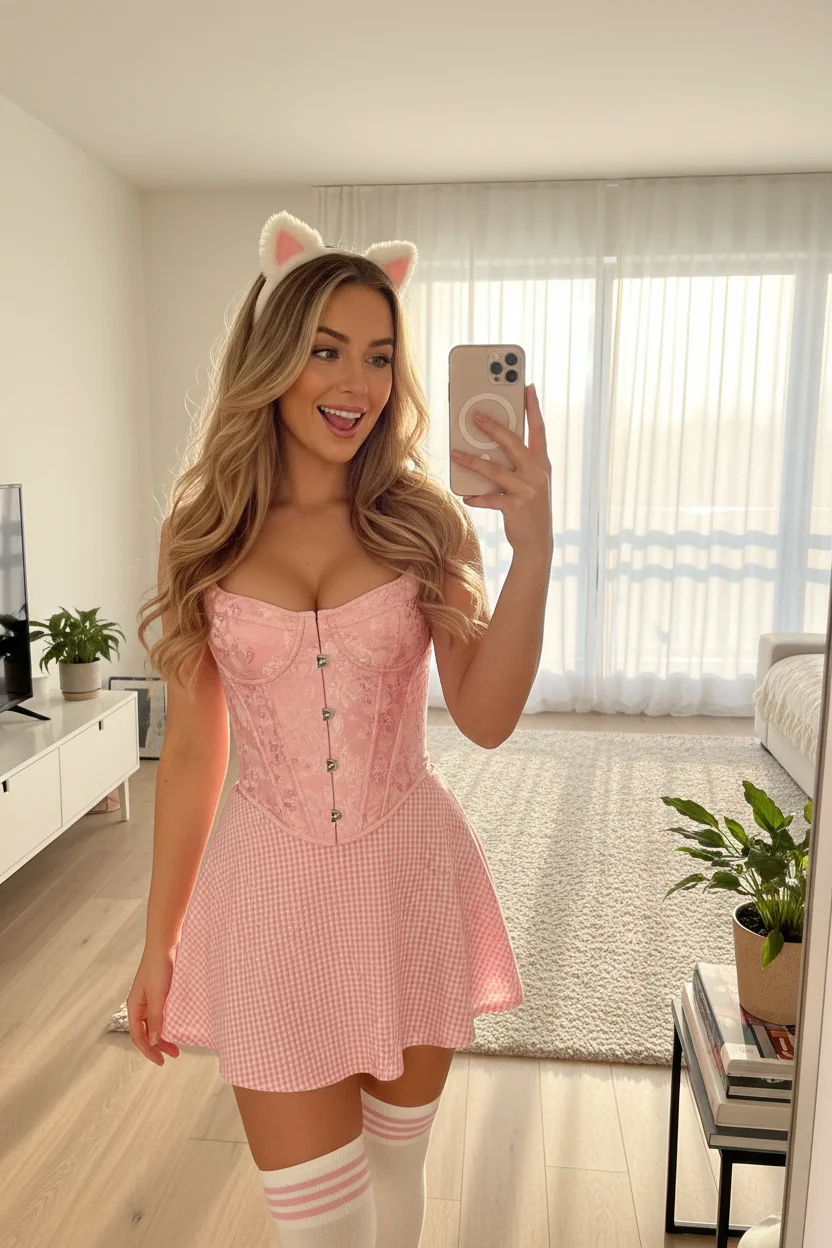

Kling O3 — the Omni model that locks
your characters in place.
Kling O3 (Video 3.0 Omni) is the reference-driven extension of Kling 3.0. Upload up to 4 character reference images, and the model builds an identity embedding that persists across your entire video — even through camera changes, lighting shifts, and multi-character scenes.
Unlike standard text-to-video, O3 combines reference inputs with text prompts, audio generation, and visual chain-of-thought reasoning in a single unified pass. Studios use it for series production, branded content, and any workflow where characters must look the same from shot to shot.
Reference-to-Video (Ref2V)
Upload images or video clips to anchor character identity, clothing, and features across every frame.
Native audio in one pass
Dialogue, ambient sound, and music generated simultaneously with video — no post-production audio pipeline.
Visual chain-of-thought
Built-in scene reasoning ensures logical continuity between shots, actions, and environments.
Up to 6 shots per generation
Define separate prompts, durations, and camera moves for each cut within a single render.
Kling O3: from reference images to
finished scenes in minutes.
Three steps to generate character-consistent, audio-synced video with Kling O3's unified multimodal engine.
Upload references & compose
Drop in 1–4 character reference images or a reference video. Add your text prompt describing the scene, camera movement, and audio intent. O3 builds identity embeddings automatically.
Use front-facing and side-profile reference photos for best character locking.
Generate with audio
O3 renders video and synchronized audio in a single pass. Choose 3–15 second duration, select up to 6 shots, and pick from 5+ languages for dialogue. Preview frames before final render.
Start with 5–10 second clips for optimal quality, then extend.
Review & export
Play back your clip with native audio. Edit individual shots, swap references, or adjust prompts without regenerating the entire sequence. Export in MP4/WebM up to 1080p.
Use batch export to render an entire storyboard series at once.
Kling O3: everything V3 does,
plus character memory.
Kling O3 adds reference-driven generation on top of Kling 3.0's cinematic engine — the key features that make it the Omni model.
Character identity locking
Upload up to 4 reference images per character. O3 builds persistent embeddings that maintain face, clothing, and features across all shots and camera angles — even with multiple characters in scene.
Your characters never drift.
Native audio generation
Dialogue, environmental sounds, and background music generated in a single pass with automatic lip-sync. Supports English, Chinese, Japanese, Korean, and Spanish.
Audio built in, not bolted on.
Multi-shot storyboarding
Define up to 6 individual shots, each with its own prompt, duration, and camera movement. O3 maintains visual coherence across all cuts automatically.
Direct a sequence, not just a clip.
Visual chain-of-thought
O3's built-in reasoning engine ensures scene logic stays coherent — characters interact naturally, physics behave correctly, and transitions between shots make visual sense.
The model thinks before it renders.
Physics-accurate motion
Advanced physics simulation handles gravity, balance, deformation, collision, and inertia. Objects and characters move with real-world weight and momentum.
Motion that feels real.
Multi-language dialogue
Generate speech in 5+ languages with accent options including American, British, and Indian English. Create multi-character scenes where each person speaks a different language.
Global stories, native voices.
Video element referencing
Beyond static image references — upload video clips to transfer motion patterns, acting styles, or camera movements into your generation while maintaining character consistency.
Reference anything visual.
Flexible duration control
Generate 3 to 15 seconds per clip with frame-level precision. Combine with multi-shot mode for extended sequences that maintain quality throughout.
From 3s hooks to 15s stories.
Where creators choose Kling O3
Six workflows where reference-driven generation and character consistency make the difference.
Filmmakers
Series with recurring characters
Lock protagonist appearance across episodes. Generate previz with consistent actors, wardrobe, and settings without reshoots.
Social media
Branded character series
Build a recognizable mascot or influencer avatar that stays identical across every post, reel, and story.
Advertising
Multi-variant ad campaigns
Swap backgrounds, products, and copy while keeping your spokesperson's face and outfit perfectly consistent across 50+ variants.
Game studios
Cinematic cutscenes from assets
Reference in-game character models and environments to generate consistent cinematics and trailers without 3D rendering.
Content studios
Episodic content at scale
Produce daily or weekly episodes with locked characters and settings. O3's reference system eliminates continuity errors.
Education
Consistent instructor avatars
Create an AI instructor that looks and sounds the same across an entire course series with native audio narration.
Creators choose Kling O3
for consistency.
“O3's character locking changed our workflow entirely. We produce a 10-episode series with the same protagonist — no more continuity nightmares between renders.”
“The native audio generation saves us hours per video. Lip-sync, ambient sound, and dialogue all come out of one render — our post team barely touches audio now.”
“We run 60 ad variants a day with the same brand ambassador. O3 keeps her face, outfit, and mannerisms locked while we swap every other element.”
“Multi-shot storyboarding with 6 cuts per render means I can direct an entire scene in one generation. It's the closest thing to having an AI cinematographer.”
Start creating with
Kling O3
Lock your characters, generate native audio, and direct multi-shot scenes — all from one unified model.
No credit card required. Free generations included.
Everything about
Kling O3
Kling O3 (Video 3.0 Omni) extends V3 with Reference-to-Video — you can upload character images or video clips to lock identity across generations. V3 is prompt-driven; O3 is reference-driven. O3 also supports higher resolution output and has optimized audio generation.
Upload 1–4 reference images of a character. O3 builds an identity embedding that preserves face, clothing, and features across all shots and camera angles. This works with multiple characters simultaneously in the same scene.
O3 supports up to 6 shots per generation, each with its own prompt, duration (3–15 seconds), and camera movement. The model maintains visual coherence across all cuts automatically.
O3 generates speech in English, Chinese, Japanese, Korean, and Spanish, with accent options including American, British, and Indian English. Multi-character dialogue scenes can feature different languages per character.
Yes. O3 shares the same base API structure as V3 — just change the model ID. Additional optional parameters let you pass reference images and video clips. Available through official Kling API and third-party providers.
Standard mode outputs 720p, Pro mode outputs 1080p. Duration ranges from 3 to 15 seconds per generation. Optimal quality is in the 5–10 second range.
O3 generates audio and video in a single unified pass, which produces tighter lip-sync than post-processed approaches. Results are strong for most use cases, with continuous improvements in each update.
Yes. Plans include commercial licensing for generated content. Check your workspace tier for specific usage limits and priority support options.
Still have questions? Talk to our team