Kling 3.0 Review: Is It the Best AI Video Generator of 2026?
An honest Kling 3.0 review covering video quality, multi-shot storytelling, native audio, character consistency, Omni vs V3, pricing, and how it compares to Seedance 2.0 and Wan 2.7.
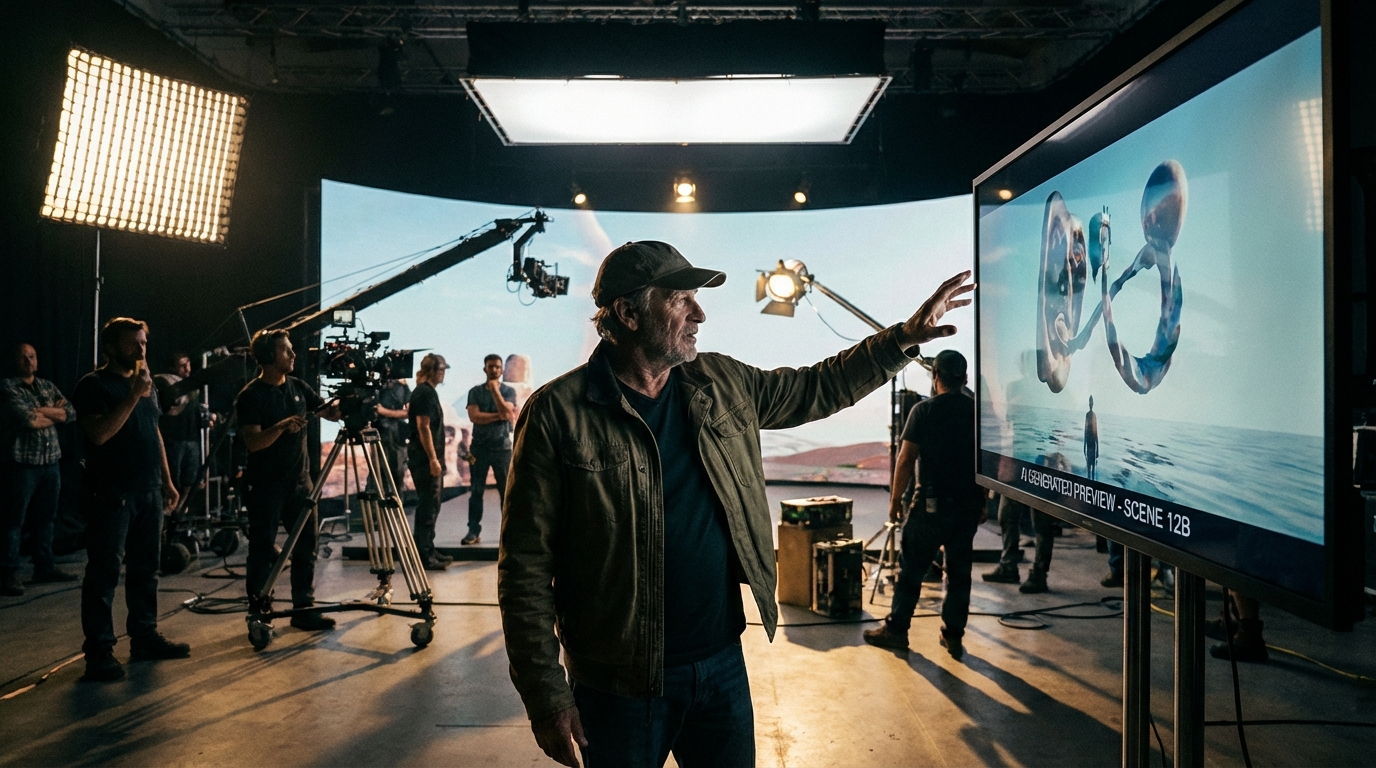
Kling 3.0 launched in February 2026 and the community response was immediate. One viral post showed RDR2 reimagined in India using Kling 3.0 — 89,000 views. Another showed a full UGC ad operation running 600 videos per day on Kling 3.0 alone. That is the kind of reception that earns serious scrutiny.
This is a straight review: what Kling 3.0 does well, where it falls short, who should use it, and whether it earns its price tag.
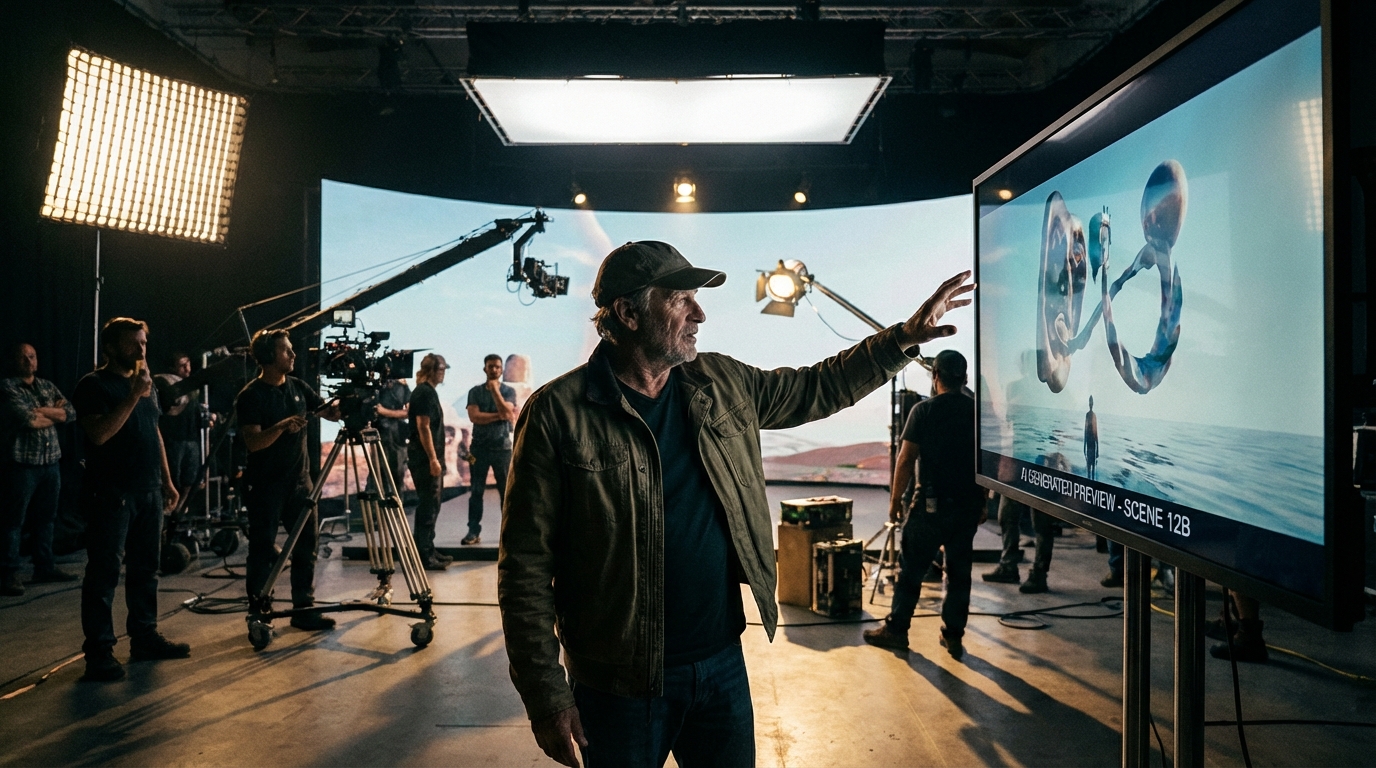
What Kling 3.0 Actually Is
Kling 3.0 is not an incremental upgrade. It is a unified multimodal platform built on Kuaishou's Omni One architecture — one model that processes text, images, audio, and video simultaneously rather than routing between separate specialized models.
The platform ships as two main variants:
- Kling V3 (Video 3.0): The core generation model, optimized for high-quality cinematic output from text and image prompts
- Kling O3 (Video 3.0 Omni): The precision-control variant, adding reference-driven workflows, advanced subject binding, and structured scene control
Both share the same underlying architecture. The difference is in what control surfaces they expose.
Video Quality
On raw output quality, Kling 3.0 is among the best available. The jump from Kling 2.6 is significant across three dimensions:
Motion physics. Human movement, fabric dynamics, and camera behavior all read as more physically plausible. The model handles complex motion — fighting, running, objects falling — without the articulation artifacts that plagued earlier versions.
Cinematography control. This is the headline improvement. Kling 3.0 understands and executes camera language at a level previous versions did not: rack focus, push-in, tracking shots, crane moves, Hitchcock zoom. The community noted this specifically — detailed cinematography instructions in prompts reliably produce the intended result.
Scene consistency. Multi-shot sequences hold visual continuity — lighting, character appearance, spatial logic — across cuts in a way that makes 15-second storytelling actually viable rather than aspirational.
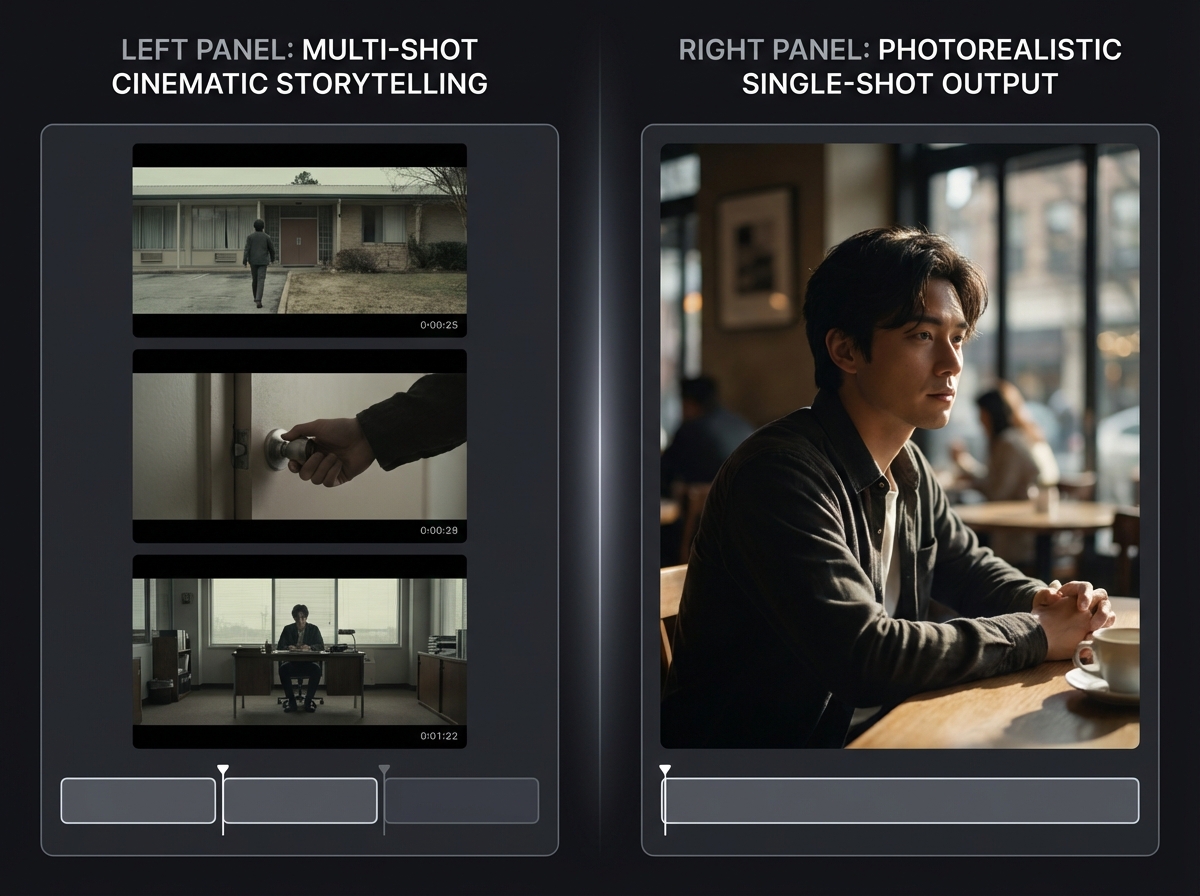
Multi-Shot Storytelling (15 Seconds)
The 15-second multi-shot capability is Kling 3.0's signature feature. You can structure a complete narrative arc — setup, development, resolution — within a single generation, with explicit shot-level control over duration, camera, and transition.
This is genuinely new. Previous models capped useful storytelling at 6–8 seconds of coherent output. Kling 3.0 extends that to 15 seconds with maintained character consistency and controlled camera language across multiple shots.
For short-form content — social ads, product demos, narrative reels — this changes the production model. You are not stitching clips anymore. You are generating a complete sequence.
Native Audio
Kling 3.0 generates native audio synchronized to the video — dialogue, ambient sound, music — without a separate audio generation step. It supports 6 languages with regional accents, and the lip sync quality is strong enough that one creator in the community switched from competitor models specifically for this feature.
The practical limitation: audio quality is better when the model generates it from scratch than when it attempts to sync to separately recorded dialogue. The native audio workflow is the intended use case.
V3 vs O3 (Omni): Which to Use
Use V3 when:
- Generating from a text prompt with strong creative direction
- You want the model to interpret and execute a scene concept
- Speed and straightforward generation are the priority
Use O3 (Omni) when:
- You need to bind a specific subject (character, product, object) to appear consistently
- You have reference images or videos you want the model to incorporate
- You need more structured, predictable output across variations
The community summary: "For story creation, Kling is better than Seedance because of UI, Omni, and motion control." O3 is specifically where that advantage lives.
Character Consistency
Kling 3.0's Element Reference (Bind Subject) feature locks a character's visual identity across shots. Supply a clear reference image, describe the character in the prompt, and the model maintains that identity through different poses, camera angles, and lighting conditions.
It is not perfect — complex poses and non-frontal references produce more drift than simple, well-lit frontal references — but it is robust enough for episodic content and campaign asset generation.
Pricing: Is It Worth It?
Kling 3.0 operates on a credit system. The cost per generation is higher than earlier Kling versions, which some community members flagged immediately: "$1 per generation" was cited as a barrier for high-volume use.
At low volume (testing, personal projects), the credit cost is manageable. At production volume — hundreds of clips — the economics require either a higher-tier subscription or careful workflow design to minimize failed generations.
The Pro subscription is where the cost-per-video becomes viable for production work. Standard credits are better for evaluation.
Generate with Kling 3.0 at kling3.pro — no separate account required.
What It Does Not Do Well
Simple, undirected prompts. Kling 3.0 rewards detailed, structured prompts and punishes vague ones more than earlier models. If you are used to short prompts producing decent output, the learning curve here is real.
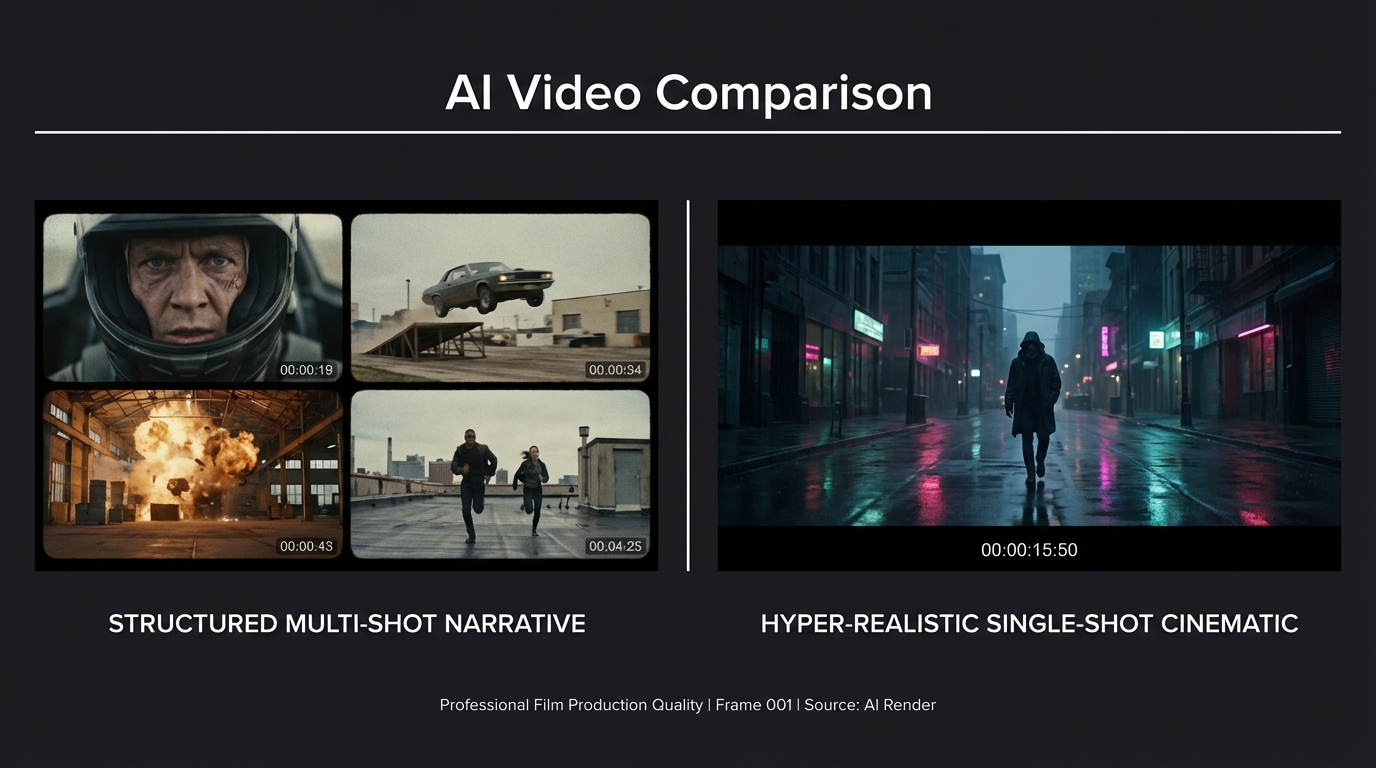
Pure photorealism at single-shot. For maximum photorealistic quality on a single clip without narrative or structural requirements, Seedance 2.0 has an edge. The community ran side-by-side tests: "Same idea. Same frames. Completely different outputs." Seedance produces more naturalistic imagery; Kling produces more controlled cinematic output.
Unconstrained generation. Kling's content filtering is present and active. For workflows that require unrestricted generation, this is a known limitation.
Verdict
Kling 3.0 is not the best AI video model at any single thing. It is the most capable AI video production system available in early 2026.
The case for it is not raw quality — it is structured control. Multi-shot storytelling, explicit cinematography, character binding, native audio, 15-second sequences. If your workflow involves generating coherent video narratives rather than individual clips, Kling 3.0 is the model to build on.
If you are generating isolated clips and optimizing for photorealism above all else, Seedance 2.0 is worth evaluating alongside it.
Try it at kling3.pro.
More Posts

HappyHorse 1.0 Is Live: What It Means for Kling 3.0 Creators
HappyHorse 1.0 has reached the top of the Artificial Analysis video leaderboards. Here is what Kling 3.0 creators should watch, what is verified, and where Kling still fits.

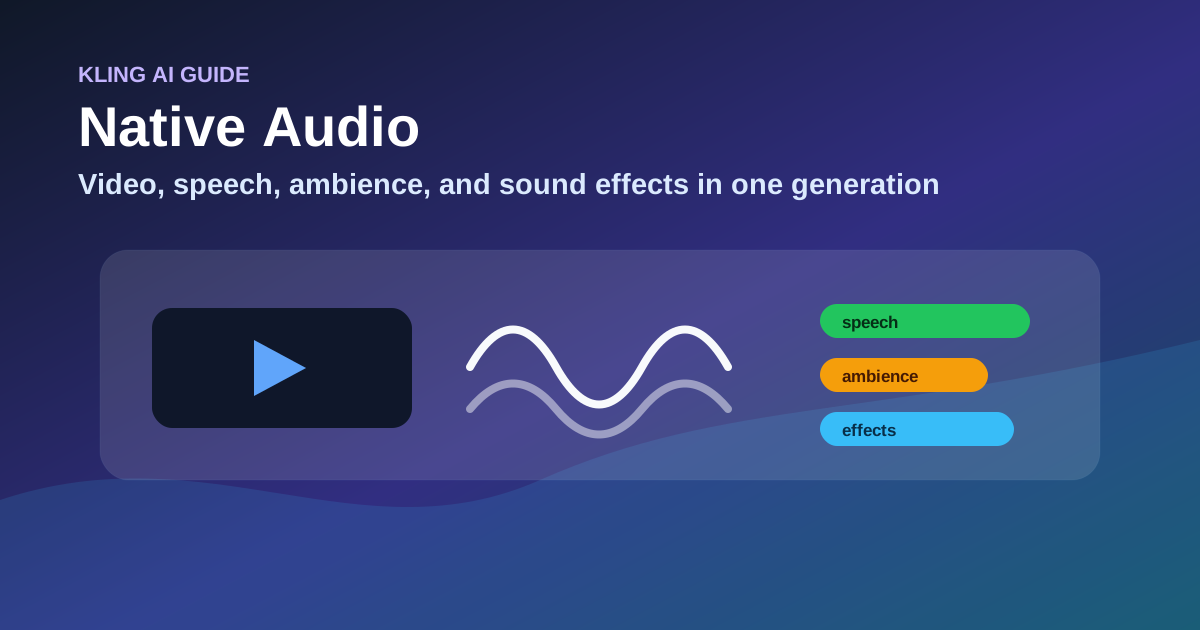
What Is Native Audio in Kling AI? Complete Guide to Kling 2.6, 3.0 & 3.0 Omni Audio
A complete guide to native audio in Kling AI: what synchronized audio-video generation actually means, how Kling 2.6 audio compares to Kling 3.0 and 3.0 Omni, supported languages and accents, and when you still need external tools like ElevenLabs or post-production software.
Kling 3.0 vs Seedance 2.0: Which AI Video Model Wins in 2026?
A direct comparison of Kling 3.0 and Seedance 2.0 across video quality, multi-shot control, character consistency, audio, pricing, and use cases — with real community test results.
Newsletter
Join the community
Subscribe to our newsletter for the latest news and updates