Kling 3.0 vs Seedance 2.0: Which AI Video Model Wins in 2026?
A direct comparison of Kling 3.0 and Seedance 2.0 across video quality, multi-shot control, character consistency, audio, pricing, and use cases — with real community test results.
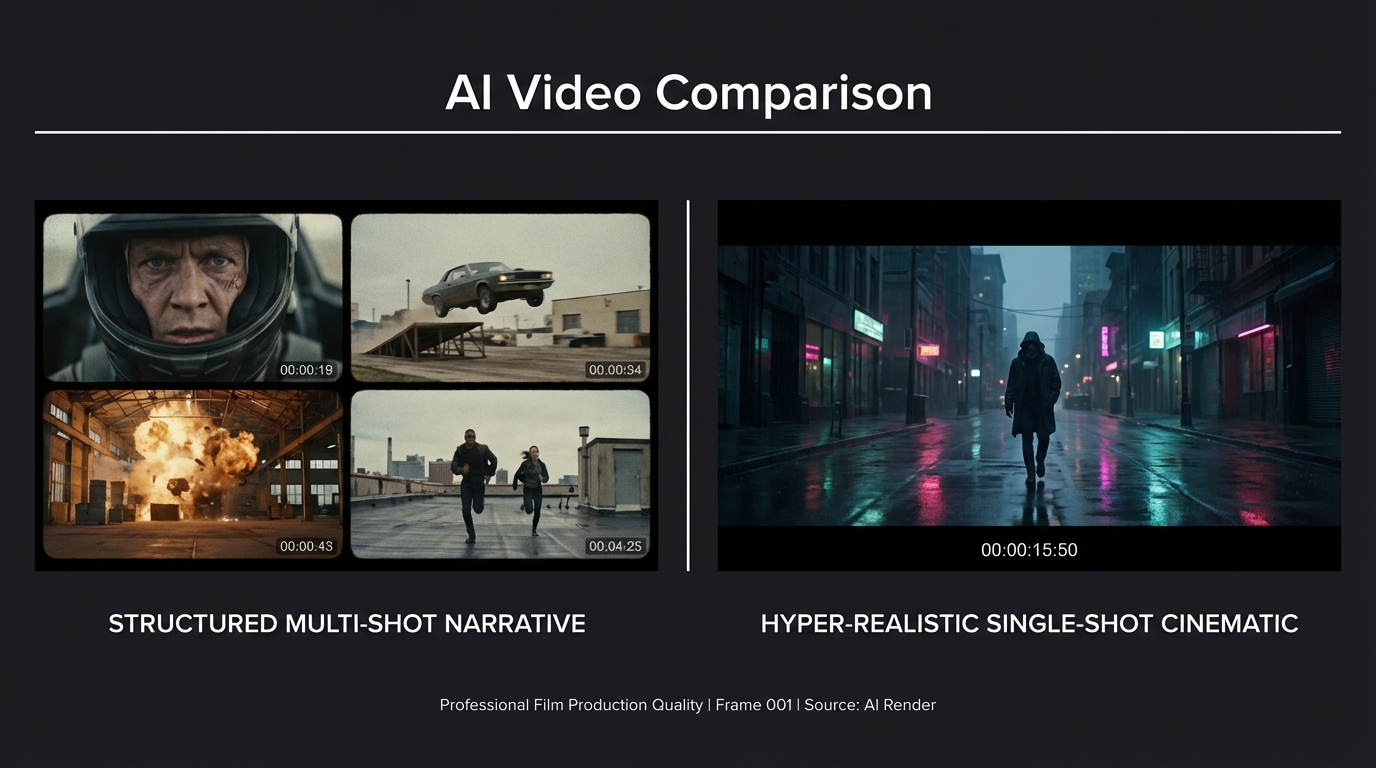
The community has been running Kling 3.0 vs Seedance 2.0 head-to-head since both launched in early 2026. Same prompts, same reference images, side-by-side outputs. The results are consistent — and more nuanced than either model's marketing suggests.
Neither is the universal winner. They are optimized for different things.
The Core Difference
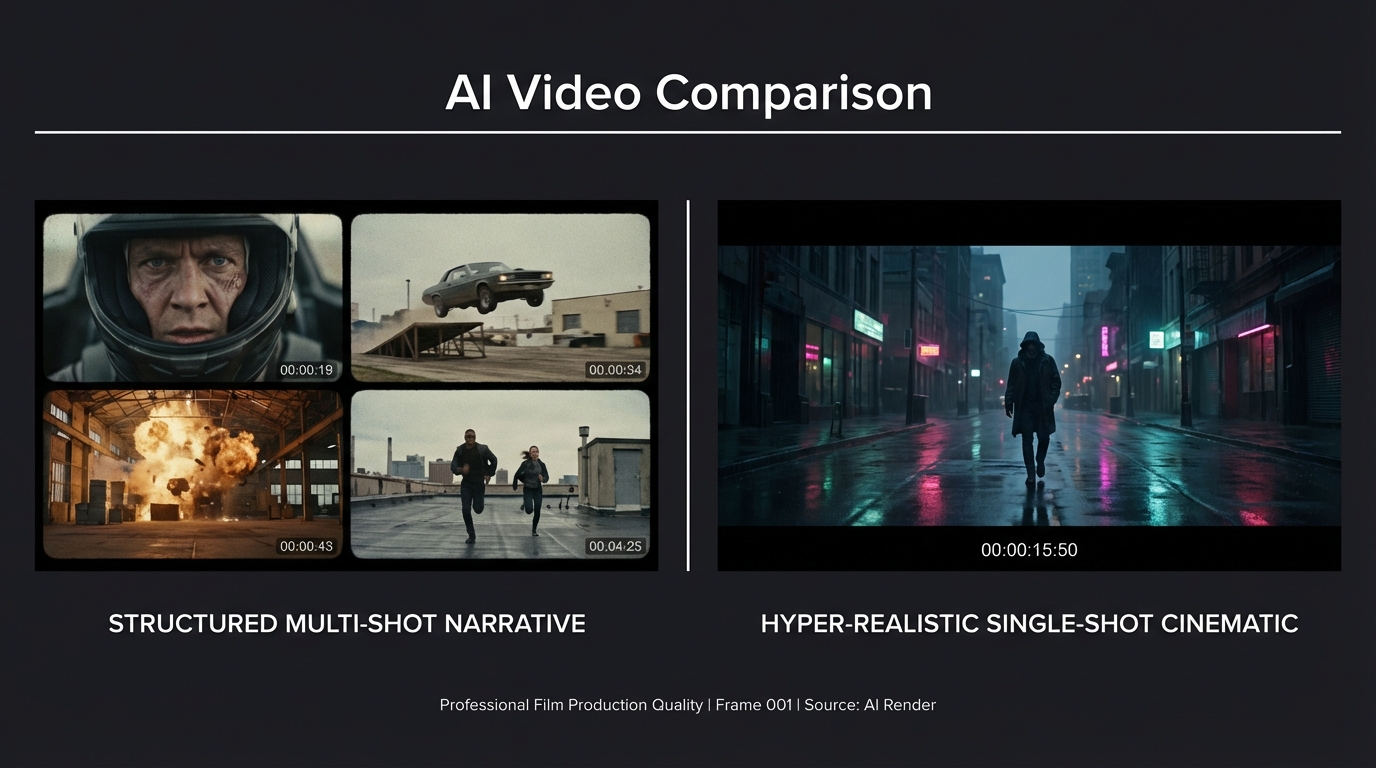
Kling 3.0 is built for structured, directed video production. Multi-shot sequences up to 15 seconds, explicit cinematography control, character binding across shots, native audio. It treats video generation as a directed creative act.
Seedance 2.0 is built for maximum photorealistic quality on individual clips. Motion naturalness, material rendering, and lighting physics are its strengths. It produces clips that look closer to real-world footage.
The community summary from creators who tested both extensively: "For story creation, Kling is better than Seedance because of UI, Omni, and motion control." But on pure single-shot cinematic quality, Seedance has an edge.
Video Quality Head-to-Head
Motion Naturalness
Seedance 2.0 wins on human motion naturalness — the way bodies move, how weight is handled, the physics of fabric and hair. The motion reads more like captured footage than generated video.
Kling 3.0 produces more controlled motion — it executes what you direct rather than generating its best interpretation of naturalistic movement. A Kling prompt with explicit camera and motion instructions produces more predictable output. A Seedance prompt with the same instructions produces more visually natural output.
Community test on a boxing prompt — "shadowboxing to final stance, every frame tells a story" — showed Seedance delivering more realistic motion physics, Kling delivering more structured narrative continuity across shots.
Photorealism
Seedance 2.0 produces more photorealistic output on single-shot generations. The texture rendering, lighting behavior, and material fidelity all read as more real.
Kling 3.0 is cinematic rather than photorealistic — it produces output that looks like filmed content, but the aesthetic is closer to professional cinematography than to raw documentary footage.
Multi-Shot Consistency
Kling 3.0 is the clear winner here. 15-second multi-shot sequences with maintained character identity, consistent lighting, and coherent spatial logic across cuts. Seedance's multi-shot capability exists but is less controllable.
This is the dimension where Kling 3.0 has no real competitor. If your use case requires sequences — not clips — Kling 3.0 is the only production-viable option.
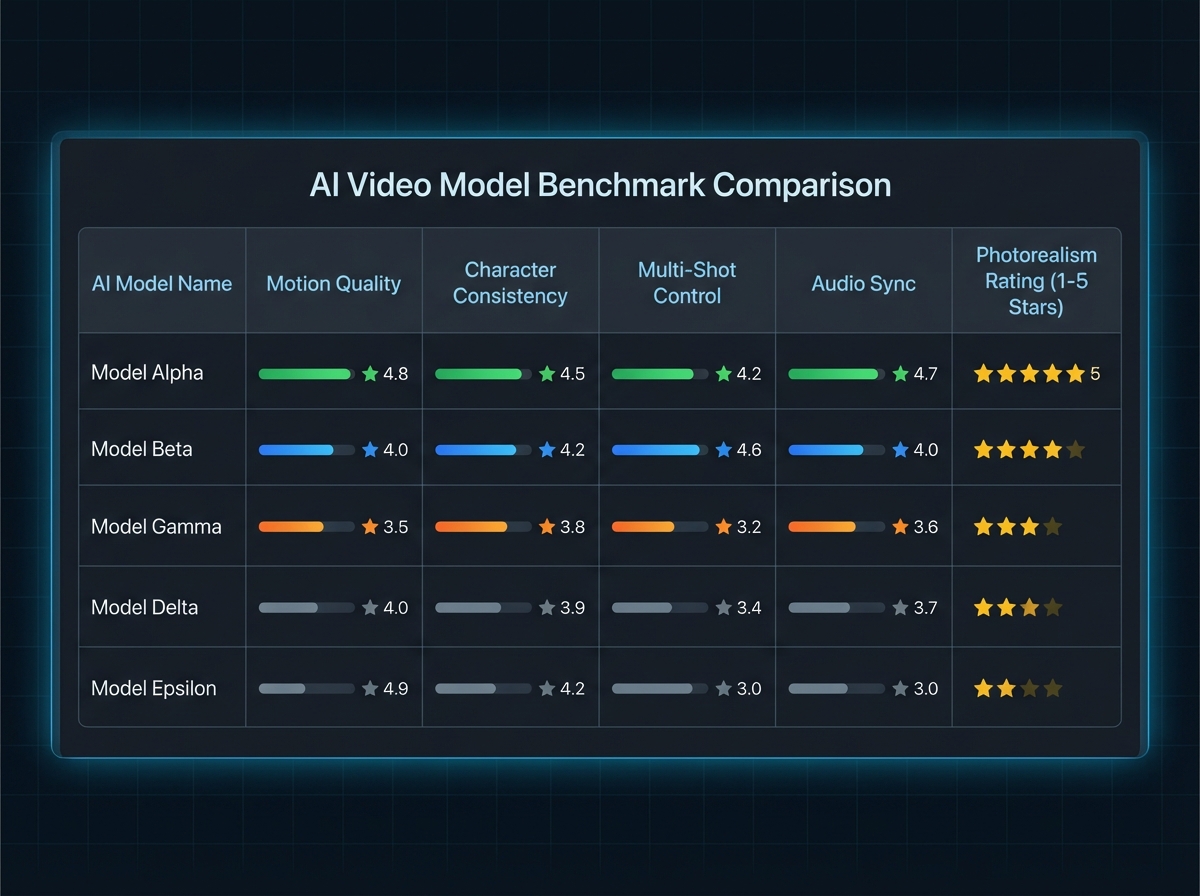
Feature Comparison
| Kling 3.0 | Seedance 2.0 | |
|---|---|---|
| Max duration | 15 seconds (multi-shot) | ~8 seconds |
| Multi-shot control | Native, structured | Limited |
| Character binding | Element Reference (Bind Subject) | Basic |
| Native audio | Yes, 6 languages | Limited |
| Lip sync | Yes | Inconsistent |
| Cinematography control | Explicit, reliable | Prompt-guided |
| Photorealism | Cinematic | High |
| Motion naturalness | Controlled | Natural |
| Omni / reference mode | Yes (O3) | No equivalent |
| Content filtering | Active | Active |
Audio and Lip Sync
Kling 3.0's native audio — synchronized dialogue, ambient sound, music, 6 language support with regional accents — is currently the strongest audio integration in any AI video model.
Community testing showed Seedance 2.0 struggling specifically with lip sync on 3D animation style content, while Kling 3.0 handled it more reliably. One Japanese creator noted: "Seedance 2.0 is impressive on live action but the lip sync on 3D animation is weaker than expected." Kling 3.0's audio was the reason another creator switched back from a competitor model.
Character Consistency
Kling 3.0 O3 (Omni) has the Element Reference / Bind Subject system — supply a reference image, and the model locks that visual identity across generated shots.
Seedance 2.0 does not have an equivalent dedicated system. Character consistency across separate generations requires careful prompt engineering and often produces more drift.
For episodic content, brand mascot work, or any workflow requiring the same character across multiple clips, Kling 3.0 O3 is the clearer choice.
Prompt Compatibility
Both models respond to structured, scene-level prompts — subject, action, camera, style. The community confirmed that prompts written for one model largely transfer to the other without major rework.
One key difference: Kling 3.0 is more sensitive to underspecified prompts. Vague prompts produce more variable output in Kling 3.0 than in Seedance 2.0. Seedance is more forgiving of short prompts; Kling rewards investment in prompt structure.
Pricing
Both operate on credit-based pricing. Kling 3.0's generation cost is higher per clip — the "$1 per generation" concern appears in community discussions. Seedance 2.0 is generally more economical at scale.
At low volume, the per-generation cost difference is not significant. At production volume, Seedance 2.0's economics are better for workflows optimized around individual clip quality rather than multi-shot sequences.
When to Use Each
Choose Kling 3.0 when:
- You need multi-shot sequences with narrative continuity
- Audio sync and native multilingual dialogue matter
- You want explicit cinematography control
- Character consistency across shots is required (O3)
- You are building structured content — ads, short films, episodic series
Choose Seedance 2.0 when:
- Single-shot photorealistic quality is the primary metric
- You are generating isolated clips, not sequences
- Cost per clip at high volume is a constraint
- Your prompts are shorter and less structured
- Motion naturalness matters more than shot control
Use both when:
- You are producing at scale and routing different job types to the appropriate model
- You want to test both outputs and select the better one per generation
The Bottom Line
Kling 3.0 and Seedance 2.0 are not competing for the same use case. Kling 3.0 is the production system for directed video creation. Seedance 2.0 is the quality-per-clip leader for photorealistic output.
If you are building workflows — not just generating clips — Kling 3.0 is the model to build on. If you are optimizing for maximum visual quality on individual shots with minimal prompt structure, Seedance 2.0 is the stronger choice.
Most serious AI video workflows in 2026 are using both.
Try Kling 3.0 at kling3.pro.
More Posts
Kling 3.0 Prompt Guide: Get Cinematic Results Every Time
How to write prompts for Kling 3.0 — covering T2V, I2V, multi-shot structure, cinematography language, and the mistakes that tank output quality. With real community-tested examples.

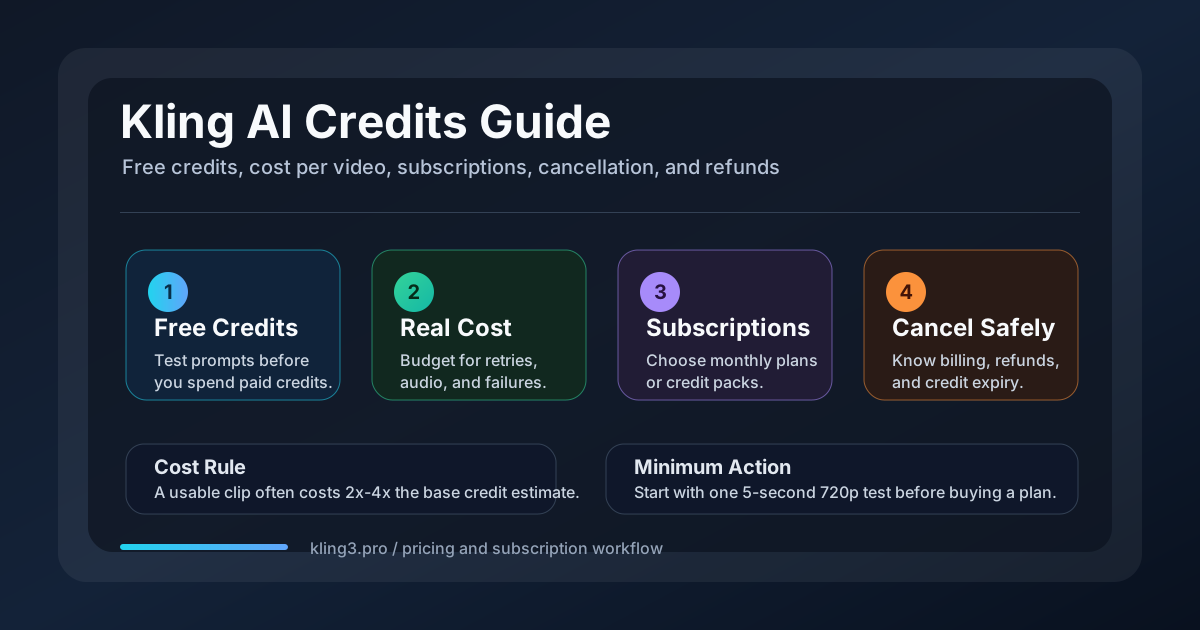
Kling AI Credits & Subscription Guide: Free Credits, Costs, Cancellation
A complete guide to Kling AI credits and subscriptions on kling3.pro. Learn how to get free credits, the real cost per video after retries, compare subscription plans, and how to cancel or request a refund.

Kling 3.0 Explained: Super Smart AI That Makes Movies & Pictures (Easy Version for Everyone)
A friendly, detailed guide to Kling 3.0 — what it is, how the unified multimodal brain works, what makes it special, and how it compares to Runway Gen‑3.
Newsletter
Join the community
Subscribe to our newsletter for the latest news and updates